
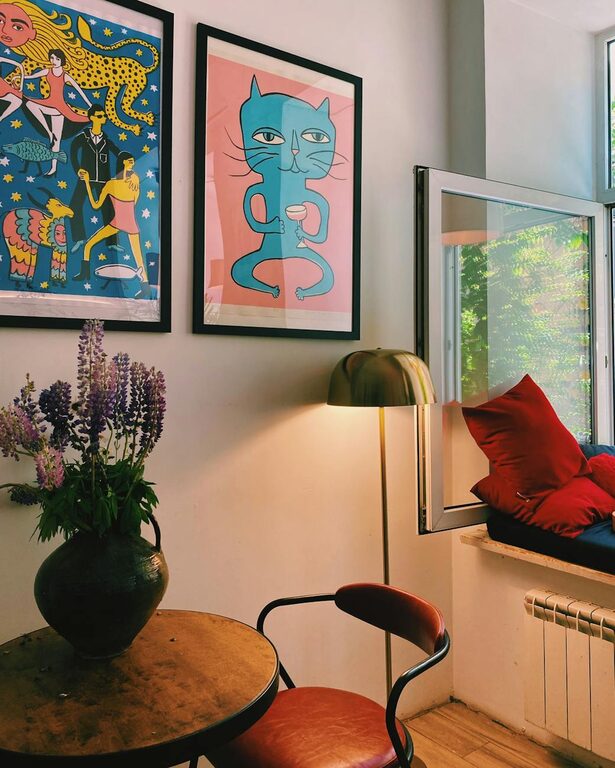
Creating a bright and welcoming atmosphere in a dark room doesn’t have to be a major renovation project. Whether your space lacks natural light or has dark walls and furnishings, there are simple and effective ways to enhance brightness and make your room feel more open and cheerful. In this post, we’ll explore quick ideas to brighten a dark room that anyone can try.
Why Does a Room Feel Dark?
Understanding why a room feels dark is the first step toward improving it. Common reasons include:
– Limited natural light due to small windows or window obstructions
– Dark-colored walls, ceilings, or floors that absorb light
– Heavy or dark furniture and décor items
– Insufficient artificial lighting or poorly placed fixtures
With these factors in mind, let’s dive into practical solutions.
1. Maximize Natural Light
Natural light is the most effective way to brighten a room. Here’s how to let more of it in:
Clean Windows and Remove Obstructions
Sometimes the issue is as simple as dirty windows or obstructed views. Clean your windows thoroughly and trim any outdoor plants blocking sunlight. Indoors, avoid placing large furniture in front of windows.
Use Sheer Window Treatments
Heavy drapes block light. Replace them or layer them with sheer curtains that allow sunlight to filter through while still offering privacy.
Add Mirrors to Reflect Light
Mirrors strategically placed opposite or adjacent to windows can bounce natural light around the room. Consider a large wall mirror or several smaller ones arranged artistically.
2. Choose Light and Bright Colors
Color dramatically impacts how light is perceived in a room.
Paint Walls in Light Shades
Opt for whites, creams, light grays, soft pastels, or warm neutrals. These shades reflect light better than dark colors and instantly brighten up the space.
Use Light-Colored Flooring and Rugs
If possible, choose light wood or laminate flooring. Large area rugs in bright or neutral tones can also lift the room’s mood.
Brighten Up Furniture and Accessories
Swap out or reupholster dark furniture with lighter fabrics and finishes. Add colorful cushions, throws, or artwork to break up any dark areas.
3. Improve Artificial Lighting
Artificial lighting supplements natural light and can completely transform a room’s ambience.
Layer Your Lighting
Combine ambient, task, and accent lighting for a balanced effect:
– Ambient lighting: Ceiling fixtures or recessed lights provide overall illumination.
– Task lighting: Table lamps, floor lamps, or under-cabinet lights brighten specific work areas.
– Accent lighting: Spotlights or LED strips highlight artwork, plants, or architectural features.
Choose Bulbs with Higher Lumens and Warm Color Temperature
Higher lumen bulbs give off more light. For a cozy feel, select bulbs with a warm white color temperature (2700K to 3000K).
Use Reflective Lampshades and Fixtures
Lampshades made of light-colored or translucent materials help diffuse light effectively.
4. Declutter and Organize
A cluttered room can feel cramped and darker than it is. Keep surfaces clear and use smart storage to minimize visual distractions.
– Use shelves, baskets, or boxes to store items out of sight.
– Maintain open floor space to reflect light more easily.
– Consider minimalistic décor to enhance openness.
5. Add Greenery and Natural Elements
Plants bring freshness and a sense of life that lightens a room. Select easy-care indoor plants and place them near light sources.
– Plants with lighter green leaves reflect light better.
– Use white or pastel-colored pots to avoid dark tones.
– Position plants on stands or shelves to add vertical interest.
6. Incorporate Reflective and Translucent Materials
Materials that reflect or allow light to pass through increase brightness visually.
– Glass or acrylic furniture like a coffee table or shelves.
– Metallic accents such as chrome, brass, or gold in lamps, frames, and decor pieces.
– Translucent curtains and lampshades that diffuse light.
7. Use Light-Colored Fabrics and Bedding
In bedrooms, light-colored bedding, curtains, and upholstery can counteract dark walls or floors.
– Whites, creams, or pastel bedding brighten the space.
– Avoid heavy or dark patterns that absorb light.
8. Consider Ceiling and Architectural Features
Don’t forget the ceiling, as dark ceilings make rooms feel smaller.
– Paint ceilings white or very light colors to open up the space.
– Add crown molding or ceilings with subtle reflective details to enhance brightness.
Final Thoughts
Brightening a dark room can be fun and rewarding. Often, small changes to lighting, color, and décor make a significant difference. Start with these quick ideas, and gradually build your way to a room filled with light, warmth, and vibrancy.
Remember, the goal is balance—a bright room that feels inviting, livable, and reflects your personal style.
—
By experimenting with these tips, you’ll transform your dark room into a cheerful, uplifting space in no time!