
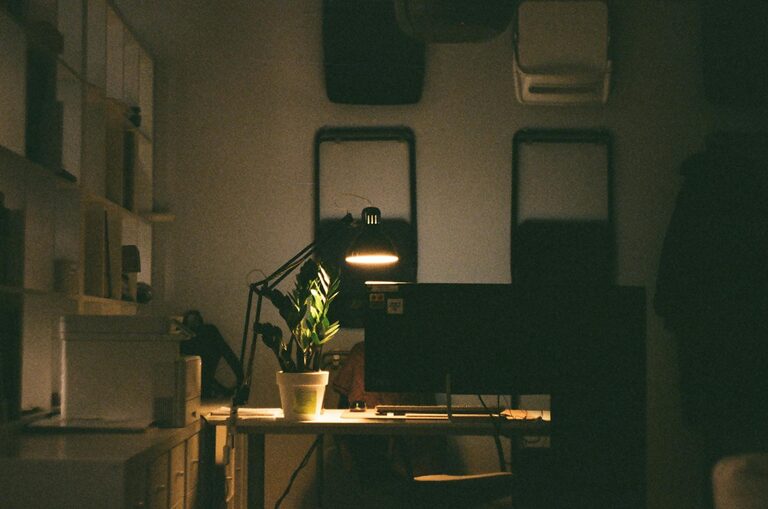
Creating a relaxing home workspace is essential for maintaining focus, reducing stress, and enhancing productivity. Whether you work from home full-time or occasionally, a well-designed workspace can help you stay comfortable and motivated throughout your day. Here are some practical tips and ideas to transform any space in your home into a calming and efficient work area.
Why a Relaxing Workspace Matters
A cluttered, noisy, or uncomfortable workspace can increase stress and decrease your ability to concentrate. Conversely, a calming environment helps you feel more centered and motivated. When your workspace feels inviting and organized, you’re more likely to maintain a positive workflow and avoid burnout.
Choose the Right Spot
Start by selecting a space that minimizes distractions. Here’s what to consider:
– Natural light: Position your desk near a window if possible. Natural light improves mood and reduces eye strain.
– Quiet location: Pick a spot away from TV noise or heavy foot traffic.
– Comfortable size: Ensure there’s enough room for your computer, supplies, and personal touches without feeling cramped.
Invest in Comfortable Furniture
Your chair and desk are the foundation of a relaxing workspace.
Chair
– Choose an ergonomic chair with good lumbar support.
– Adjustable height and armrests help customize your seating position.
– If you’re on a budget, add a cushion or lumbar pillow for extra comfort.
Desk
– Select a desk at the right height to avoid hunching.
– If possible, consider a standing desk or adjustable desk converters for variety.
– Keep enough workspace for your essentials but avoid overcrowding.
Organize Your Desk Efficiently
An uncluttered desk reduces mental clutter.
– Use trays, file organizers, or drawer dividers to keep papers and supplies sorted.
– Keep only daily essentials on your desk.
– Regularly declutter to prevent buildup of unnecessary items.
Add Soothing Elements
Including calming features can help maintain relaxation during work.
Plants
– Indoor plants improve air quality and add a touch of nature.
– Low-maintenance options like succulents or snake plants are ideal for busy schedules.
Lighting
– Use soft, warm light from desk lamps to reduce harsh shadows.
– Avoid overhead fluorescent lights if they cause discomfort.
Personal Touches
– Add photos, artwork, or inspirational quotes.
– Choose decor that makes you feel peaceful without causing distractions.
Control Noise Levels
Minimizing noise helps keep your mind clear.
– Use noise-cancelling headphones or listen to soft background music.
– Consider white noise apps or machines to mask distracting sounds.
– If possible, close doors or add rugs and curtains to absorb sound.
Maintain Good Air Quality
Fresh air contributes to comfort and alertness.
– Open windows to let in fresh air when possible.
– Use an air purifier to reduce allergens and dust.
– Avoid strong scents or overwhelming air fresheners.
Take Breaks and Move Around
Even in a relaxing workspace, extended sitting isn’t ideal.
– Follow a schedule to take short breaks every hour.
– Stretch, walk around, or do light exercises to refresh your body and mind.
– Use break time to step away from screens and relax your eyes.
Personalize According to Your Needs
Everyone’s ideal workspace is unique.
– Experiment with different layouts or lighting until it feels right.
– Adjust your environment based on the type of work – creative tasks may require different setups than routine work.
– Keep a notebook or planner nearby to jot down ideas or tasks without cluttering your digital space.
Conclusion
Creating a relaxing home workspace is about combining comfort, organization, and personal touches. By focusing on lighting, furniture, noise control, and a clutter-free environment, you can set up a space that encourages productivity and well-being. Start small with one or two changes and gradually refine your workspace until it helps you work more comfortably and happily.
Remember, a peaceful workspace not only improves your work quality but also supports your overall health and happiness at home.