
Bringing houseplants into your home can brighten up your space, improve air quality, and even boost your mood. However, keeping them healthy requires a bit of know-how and routine care. Whether you are a beginner or have a collection of green companions, these practical tips will help you maintain thriving houseplants that add life and charm to your living space.
Understanding Your Plant’s Needs
Every plant species has unique requirements related to light, water, temperature, and soil conditions. The key to healthy houseplants is meeting these specific needs.
Light Requirements
Light is the energy source for plants through photosynthesis. Some plants, like succulents and cacti, prefer bright, direct sunlight, while others, such as ferns and peace lilies, thrive in low to moderate indirect light.
– Place sun-loving plants near south or west-facing windows.
– Use sheer curtains to diffuse strong sunlight for delicate plants.
– Rotate your plants regularly to ensure even light exposure.
Watering Practices
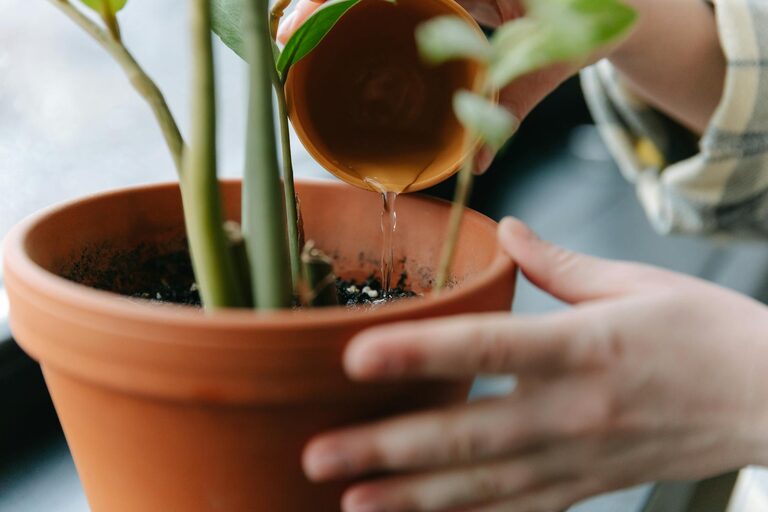
Proper watering is crucial but often misunderstood. Overwatering is a common cause of plant stress, leading to root rot.
– Check soil moisture before watering by inserting your finger about an inch deep.
– Water only when the topsoil feels dry for most plants.
– Use pots with drainage holes to prevent waterlogging.
– Adjust watering frequency based on season; plants typically need less water in winter.
Temperature and Humidity
Most houseplants prefer temperatures between 65°F and 75°F (18°C to 24°C). Sudden drafts or temperature fluctuations can harm your plants.
– Avoid placing plants near heating vents, radiators, or cold drafts.
– Increase humidity for tropical plants by misting, using pebble trays with water, or placing a humidifier nearby.
– Group plants together to create a mini humid environment.
Choosing the Right Soil and Containers
The right soil and container contribute to healthy root development and overall plant vigor.
Soil Selection
Use well-draining potting soil tailored to your plant’s needs.
– Cacti and succulents require gritty, fast-drain soil mixes.
– Tropical plants often need moisture-retentive but airy soil rich in organic matter.
– Refresh the potting mix annually or when it looks compacted.
Containers and Drainage
Ensure your pots have sufficient drainage to avoid water accumulation at the roots.
– Use containers with holes at the bottom.
– If using decorative pots without holes, place the plant in a smaller pot with drainage and then inside the decorative pot.
– Repot plants every 1-2 years or when they become root-bound.
Feeding Your Plants
Like all living beings, plants need nutrients to grow. Fertilization provides essential minerals.
– Use balanced, water-soluble fertilizers during the growing season (spring and summer).
– Follow package instructions to avoid overfeeding.
– Reduce or stop feeding during the dormancy period in fall and winter.
– Consider organic options like compost tea or worm castings for a gentle nutrient boost.
Preventing and Managing Common Problems
Healthy habits reduce the risk of pests and diseases.
Identifying Pests
Common pests include spider mites, aphids, mealybugs, and scale.
– Inspect leaves regularly, including the undersides, for tiny insects or sticky residues.
– Use insecticidal soap or neem oil as a natural treatment.
– Quarantine new plants before introducing them to your collection.
Handling Diseases
Look for yellowing leaves, wilting, or fuzzy molds.
– Remove affected leaves promptly.
– Improve air circulation around plants.
– Avoid overwatering to prevent fungal root diseases.
– Use fungicides when necessary, following instructions carefully.
Tips for Long-Term Success
Developing a regular care routine helps maintain plant health and encourages growth.
– Create a watering schedule customized for each plant.
– Clean your plant leaves occasionally to remove dust and improve photosynthesis.
– Monitor growth and be patient; some plants grow slowly and need time to adjust.
– Learn about your specific plants by reading care tags or trusted gardening resources.
Conclusion
Keeping houseplants healthy involves understanding their unique needs and providing consistent, attentive care. With proper light, watering, feeding, and pest management, your indoor garden will flourish, creating a relaxing and inviting home atmosphere. Start small, observe your plants, and enjoy the rewarding experience of green living.
Happy planting!