
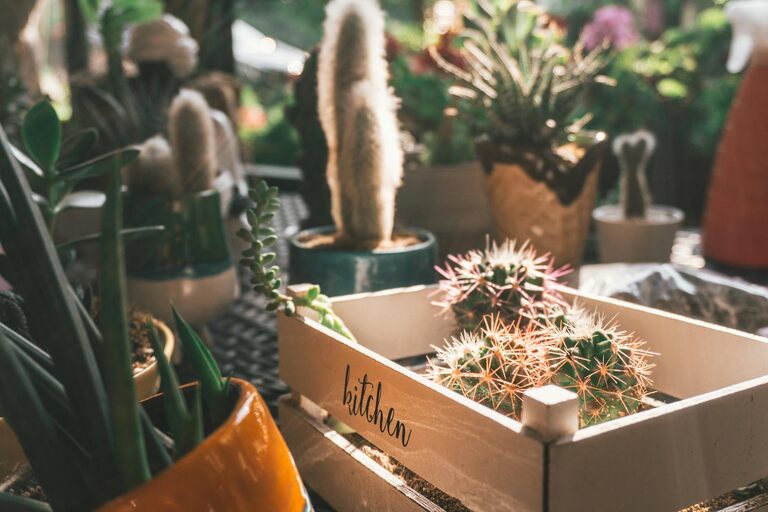
Starting a small herb garden indoors is a rewarding project that brings fresh flavors into your home and a touch of greenery to your space. Whether you have limited outdoor space or live in an apartment, growing herbs indoors is easy and enjoyable. This guide will walk you through everything you need to know to get started.
Why Grow Herbs Indoors?
Growing herbs inside your home has many benefits:
– Freshness: Snip fresh herbs anytime for cooking.
– Year-round Growing: Indoor gardens aren’t affected by seasons.
– Air Quality: Plants help purify the air.
– Decor: Adds natural beauty to your kitchen or living area.
– Therapeutic: Gardening is a relaxing and rewarding hobby.
Choosing the Right Herbs
Some herbs adapt better to indoor conditions than others. Consider starting with:
– Basil: Bright light and warmth-loving, great for cooking.
– Mint: Hardy and fast-growing, prefers indirect light.
– Chives: Easy to grow and excellent for garnishing meals.
– Parsley: Prefers moderate sunlight and regular watering.
– Thyme: Compact and thrives in bright light.
– Cilantro: Needs cooler temperatures and moderate lighting.
Getting Started: What You Need
Before you plant your herb garden, gather the following:
– Containers: Choose pots with drainage holes; small containers are fine for herbs.
– Potting Mix: Use a lightweight, well-draining potting soil designed for indoor plants.
– Seeds or Starter Plants: You can start from seeds or buy young herb plants from nurseries.
– Watering Can: To deliver just the right amount of water.
– Grow Light (optional): If natural light is limited, a grow light helps herbs thrive.
– Labels: To keep track of herb types.
Step-by-Step Guide to Planting Your Indoor Herb Garden
1. Select a Location with Appropriate Light
Most herbs require 6-8 hours of sunlight daily. A south-facing window is ideal. If your space lacks natural light, consider using an LED grow light to supplement.
2. Prepare Your Containers
Fill your pots with the potting mix, leaving about half an inch from the rim. Make sure containers have drainage holes to prevent root rot.
3. Plant Seeds or Transplants
– Seeds: Follow packet instructions. Usually, sprinkle seeds lightly on the soil, cover with a thin layer of potting mix, and water gently.
– Transplants: Make a hole big enough for the root ball, place the plant, and fill in with soil. Press lightly to secure.
4. Water Carefully
Herbs prefer moist but not soggy soil. Water when the top inch of soil feels dry. Ensure water drains freely from pots—empty saucers after watering.
5. Maintain Proper Temperature and Humidity
Most herbs like temperatures between 65°F and 75°F (18°C to 24°C). Avoid placing herbs near drafts or heating vents. Indoor humidity can be increased by misting or using a humidity tray.
6. Fertilize Sparingly
Use a balanced liquid fertilizer diluted to half strength every 4-6 weeks during the growing season.
7. Prune and Harvest Regularly
Regular pruning promotes bushier growth. Snip leaves in the morning before flowering, and avoid removing more than one-third of the plant at once.
Tips for Success
– Rotate your pots to ensure even sunlight on all sides.
– Avoid overwatering; yellowing leaves may indicate too much water.
– Watch out for pests like aphids or spider mites. Wipe leaves gently or use non-toxic insecticidal soap if needed.
– If herbs grow leggy, consider trimming back to encourage fuller growth.
– Use fresh herbs immediately or dry/freeze surplus for later use.
Recommended Herbs for Various Uses
– Cooking: Basil, rosemary, thyme, oregano, chives.
– Tea: Mint, lemon balm, chamomile.
– Aromatic: Lavender, rosemary, sage.
Troubleshooting Common Problems
| Problem | Cause | Solution |
|——————-|—————————-|——————————————–|
| Wilting leaves | Underwatering/excess heat | Water adequately; move from heat sources. |
| Yellowing leaves | Overwatering/nutrient lack | Check drainage; feed lightly with fertilizer. |
| Leggy growth | Insufficient light | Increase light exposure or use grow lamps. |
| Pests | Indoor insects | Clean plants; apply natural pest control methods. |
Final Thoughts
Starting an indoor herb garden is simple and highly rewarding. With just a few pots, some seeds or starter plants, and a bright window, you can enjoy fresh herbs year-round. Not only does this project enhance your meals, but it also brings vitality and greenery into your home.
Give your indoor garden a try today and watch your herbs flourish with a little care and attention!
—
Happy gardening!